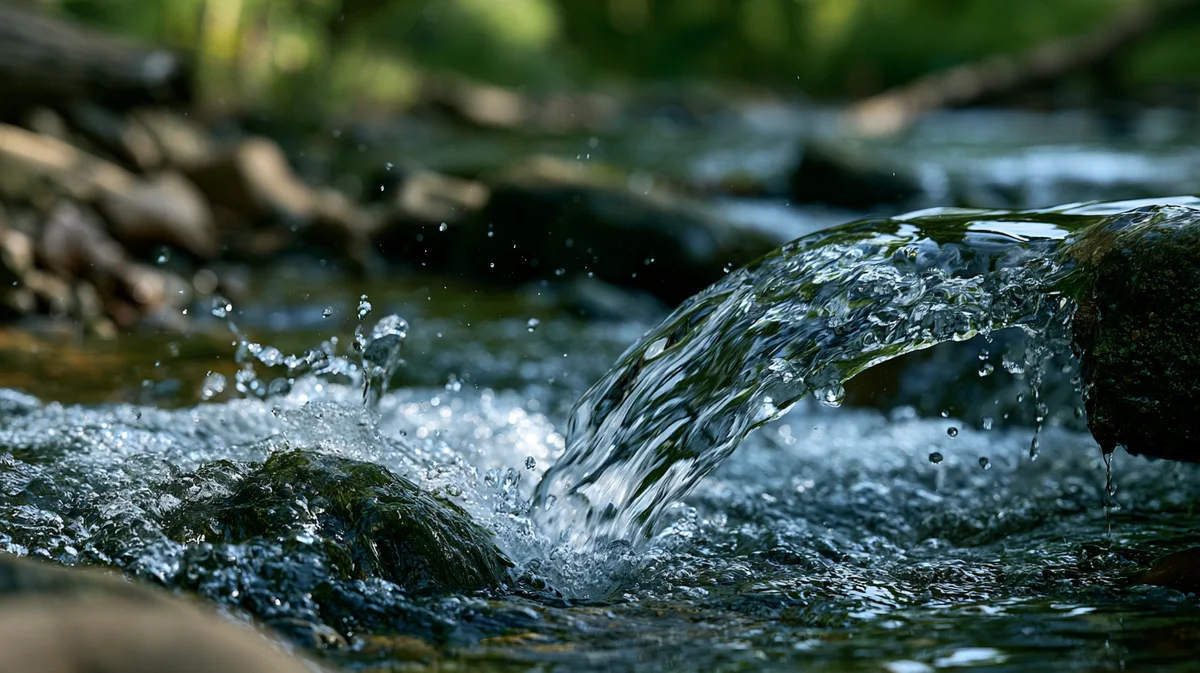
Economic Scarcity and Municipal Pipe Leaks
Discover how aging infrastructure and leaky pipes cause massive water loss, creating shortages even when rainfall is abundant.
Imagine a week of heavy rain filling regional reservoirs to the brim, yet the local government still issues a strict hosepipe ban and restricts residential water pressure. It feels entirely contradictory. If the water is physically there, sitting just a few kilometers away, a shortage makes no sense to the people living under those restrictions.
Gathering water in a basin does not automatically put it in a glass. The gap between a full reservoir and a working kitchen tap relies on a staggering amount of hidden engineering. Why do cities experience water shortages even when it rains heavily?
When infrastructure creates the shortage
Most headlines focus on physical supply, like droughts drying up lakes or rivers running low. But a city can sit right next to a large freshwater lake and still run completely dry.
This happens because economic water scarcity is driven by infrastructure failure, meaning the local government lacks the financial or physical means to safely capture, treat, and distribute the water that is sitting right there. Unlike physical scarcity, which is an absolute lack of natural moisture, economic scarcity is an engineered problem (UN-Water, 2021).
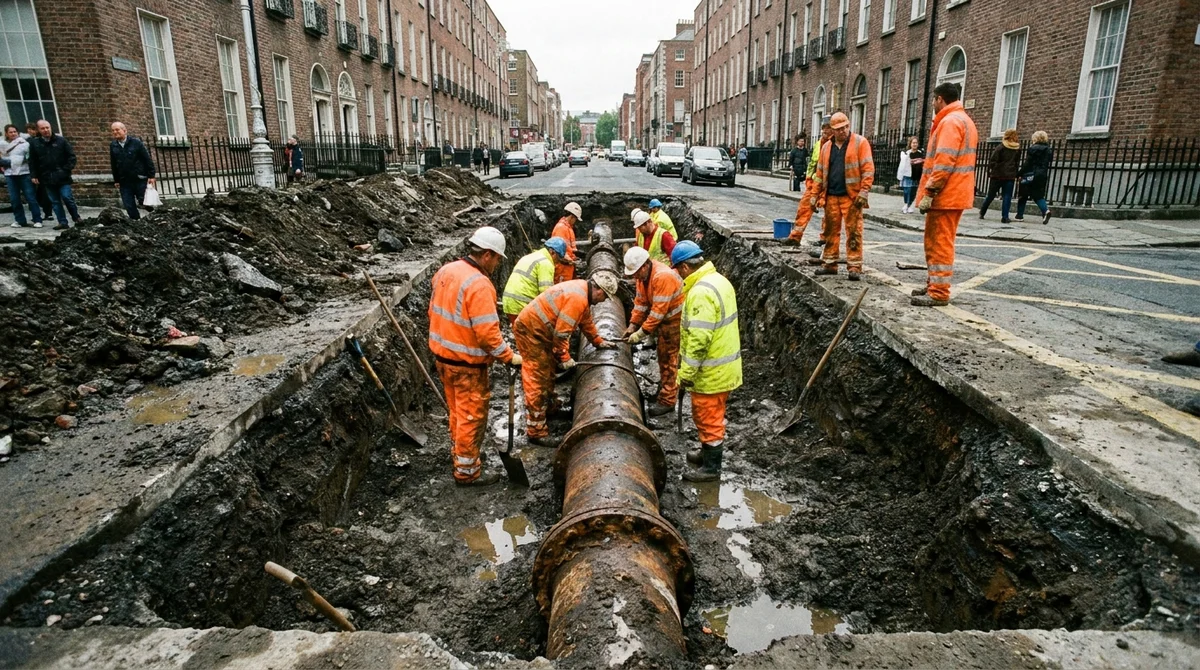
In many regions, the water is technically available, but the municipal distribution networks are too degraded to move it safely. The pipes are cracked, the pumps are failing, and the treatment plants are overwhelmed by the sheer volume of storm runoff from the heavy rains.
The scale of lost volume
Once water is pulled from a natural source, it enters a vast subterranean maze. Utilities meticulously track the difference between the volume of water they pump into this maze and the volume they actually bill consumers for.
The missing volume is known as non-revenue water, representing treated, drinkable water that vanishes into the ground before ever reaching a meter. In many older cities, up to a third of the public water supply bleeds out of aging cast-iron pipes daily (Kingdom et al., 2006).
This is not just a problem in developing nations. Wealthy, temperate cities with legacy infrastructure lose billions of liters a week simply because their subterranean pipes were laid over a century ago and have quietly rusted through.
Because municipal pipes are buried, waiting for water to bubble up to the street level means catching a leak months after it starts.
Modern utilities now use acoustic leak detection, placing sensitive microphones along the pipe network. These sensors listen for the high-frequency hiss of water escaping under pressure. By triangulating the sound, engineers can pinpoint a cracked pipe down to a few meters without digging up the entire block, saving time and excavation costs.
Finding the leaks is only the first hurdle. The sheer scale of the underground network makes comprehensive repair a logistical nightmare.
The compounding cost of treated leaks
Water does not clean itself once it enters a municipal system. Treating water to make it safe for human consumption is heavily expensive, requiring constant chemical inputs and large filtration arrays.
When millions of liters bleed out of the system, the financial loss compounds daily, rapidly draining utility budgets. The municipality is essentially paying to pump and purify water that simply waters the dirt under the pavement.
This lost revenue means the utility has even less money to fix the original problem. They cannot afford to upgrade the wastewater treatment plants, which leads to further system degradation and deeper economic scarcity.
Digging up the streets
Fixing this destructive cycle requires more than just patching pipes when they suddenly burst. It requires completely rethinking how cities fund their underground networks.
Replacing these systems demands a proactive municipal investment strategy, which means shifting budgets from reactive emergency repairs to systematic, block-by-block infrastructure replacement (EPA, 2023). This requires vast capital expenditure and significant political will, as digging up roads is highly disruptive and politically unpopular.
Until cities price in the true cost of maintaining these buried networks, heavy rains will continue to fill reservoirs while residents face empty taps and declining water quality.
What to take away
You now see why catching rain is only half the battle in delivering safe drinking water.
- Economic water scarcity happens when failing infrastructure cannot distribute available water.
- Non-revenue water represents billions of liters of expensive, treated supply lost to subterranean leaks daily.
- Check your local utility provider report to find your city's official leakage rate, which is often public information.
Up next, we look at how treating and moving all this heavy water ties directly into the electrical grid.
References
- UN-Water. (2021). Summary Progress Update 2021: SDG 6 , water and sanitation for all. United Nations. Source
- Kingdom, B., Liemberger, R., Marin, P. (2006). The Challenge of Reducing Non-Revenue Water (NRW) in Developing Countries: How the Private Sector Can Help. World Bank. Source
- U.S. Environmental Protection Agency. (2023). Drinking Water Infrastructure Needs Survey and Assessment. EPA. Source
- Liemberger, R., Wyatt, A. (2019). Quantifying the global non-revenue water problem. Water Supply, IWA Publishing. Source