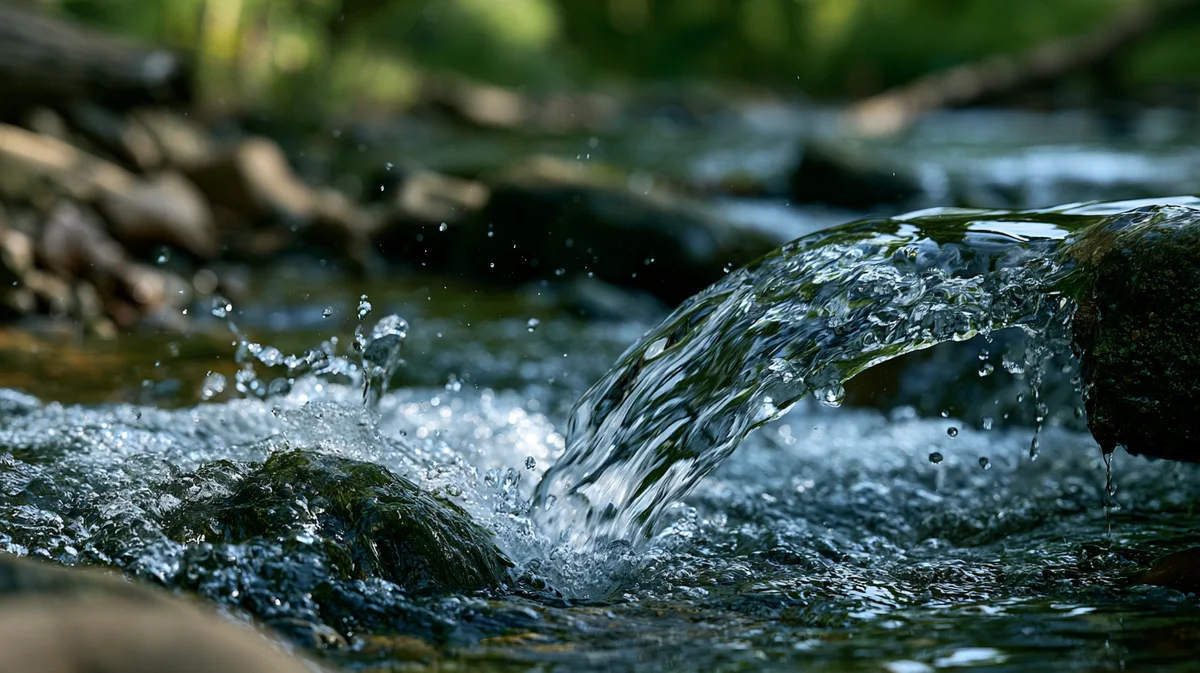
Physical vs Economic Water Scarcity
Distinguish between a lack of natural rainfall and a lack of infrastructure, and learn why wealthy regions are not immune to water stress.
Look at a globe, and it seems absurd to worry about water. We live on a blue marble where oceans cover more than two thirds of the surface.
Even locally, you might live in a city that receives regular, heavy rainfall, yet still hear local officials warning about summer water restrictions or unsafe tap water.
If the Earth is mostly water, how can we be running out of it?
The illusion of planetary abundance
Our planet's vast oceans are not usable for drinking or growing food without extensive energy input. That leaves a remarkably tiny fraction for us to use.
Of all the water on Earth, less than three percent is freshwater. Most of that is locked in glaciers, ice caps, or deep underground, leaving a microscopic fraction of surface water available to sustain human civilization (UN Water, 2023). This small volume makes up our entire usable freshwater pool.
When populations grow and agricultural demands rise, that single tablespoon is stretched to its absolute limit.
Two distinct types of scarcity
People usually assume water shortages only happen in barren deserts. That assumption completely ignores how human systems actually deliver water.
When a region fundamentally lacks the natural rainfall or river flow to meet human demand, it faces physical water scarcity. This is a simple equation of supply versus demand in arid environments.
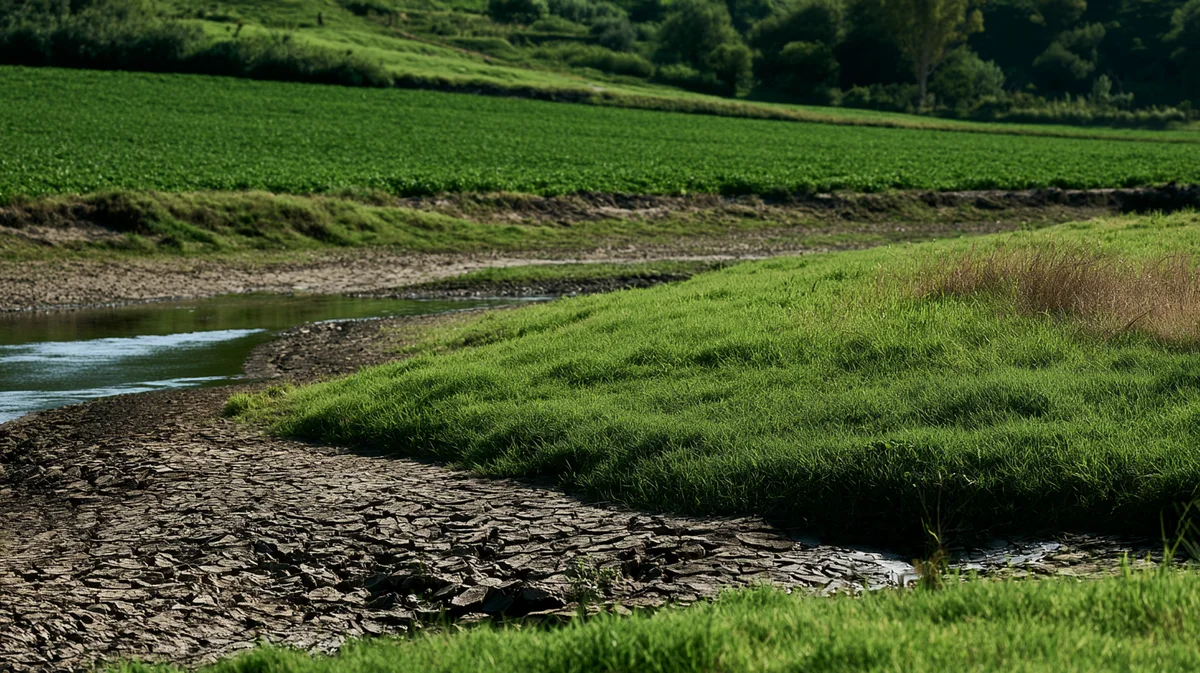
However, an equally severe problem happens when water is physically present but unavailable for use. When a region lacks the financial resources, treatment plants, or pipe networks to deliver safe water to residents, it suffers from economic water scarcity (FAO, 2021).
A tropical city can experience torrential downpours daily and still face severe economic scarcity if its municipal pipes are broken or its treatment facilities are unfunded.
How pollution shrinks the supply
Economic scarcity is not just about broken pipes in developing nations. Industrial activity can functionally create this scarcity anywhere by degrading the water that does exist.
When a factory discharges chemical waste into a local river, the physical water is still there. But because treating that contaminated water back to drinking standards requires expensive specialized equipment, it becomes economically scarce for the surrounding community (UNESCO WWAP, 2017). In this way, pollution functionally acts as depletion.
Wealthy, temperate regions with plenty of rainfall often fall into this trap. Agricultural runoff carrying nitrogen fertilizers can cause large toxic algae blooms in freshwater lakes. The lakes remain full of water, but local cities suddenly face a serious infrastructure problem trying to filter out the toxins before they reach household taps.
What to take away
Recognizing the difference between physical supply and infrastructure limits changes how we view local water crises.
- Less than one percent of the planet's water is accessible freshwater.
- Physical scarcity means the region lacks rain and natural supply to meet demands.
- Economic scarcity means the region lacks the pipes, treatment, or funds to deliver safe water, regardless of the weather.
- Pollution creates economic scarcity by forcing cities to build highly expensive treatment plants to make local water safe again.
- Check whether your local water utility's annual report blames shortages on low rainfall or on unfunded pipes and treatment plants — the fix is completely different for each.
Next, we will look at how a warming atmosphere is radically changing the physical side of this equation.
References
- United Nations Water. (2023). Blueprint for Acceleration: Sustainable Development Goal 6 Synthesis Report on Water and Sanitation. Source
- Food and Agriculture Organization of the United Nations. (2021). The State of the World's Land and Water Resources for Food and Agriculture. Source
- UNESCO World Water Assessment Programme (WWAP). (2017). The United Nations World Water Development Report 2017: Wastewater, the Untapped Resource. Source