Air Pollution at Home
Discover how invisible indoor air pollutants affect your health and build practical habits to ventilate, filter, and protect your home.
Course introduction
A well-sealed, energy-efficient house often traps air that is two to five times more polluted than the air outside. While we associate smog with cities, the most immediate threat to your lungs often comes from everyday domestic habits.
This course reveals the hidden mechanics of household air pollution, from fine particles generated by cooking to invisible gases emitted by stoves. You will explore how microscopic dust bypasses respiratory defenses and why standard building insulation accumulates toxins.
By the end, you will be equipped to make simple, high-impact changes. You will learn to properly ventilate spaces, evaluate air purifiers, interpret air quality data, and choose the right masks for outdoor pollution spikes.
What you will learn
Curriculum
3 modules · 6 lessons · 1 exam · about 20 min total
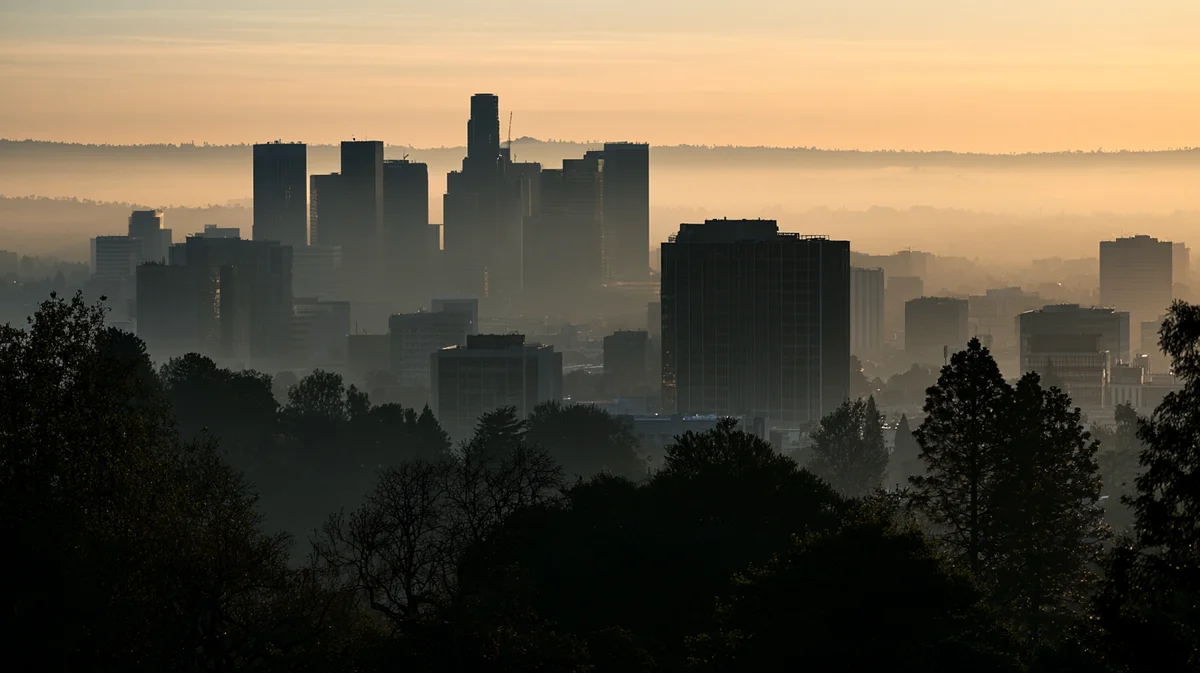
When we think of air pollution, we usually picture thick, grey smog hanging over a city skyline. If the air looks clear, it feels safe to take a deep breath. But the most dangerous airborne threats are completely invisible and odorless. Your body's natural defense system, from the mucus in your nose to your cough reflex, was evolved to block coarse dust, pollen, and debris.
It has no mechanism for the microscopic particles and reactive gases produced by modern combustion. Once inside, these microscopic toxins do not just irritate your throat; they cross directly into your cardiovascular system.
Building a home to keep the cold out means creating a tightly sealed box. While modern insulation cuts heating bills and carbon emissions, it also eliminates the natural drafts that used to quietly refresh indoor air. As a result, everyday activities, such as cooking dinner or burning a candle, now generate invisible emissions that have nowhere to go. Uncovering the friction between energy efficiency and respiratory health reveals why the most polluted air you breathe might just be sitting in your own kitchen.
Knowing that fine particles and invisible gases slip past the body's natural barriers is only half the challenge. When indoor air stagnates and outdoor conditions deteriorate, waiting for the weather to clear is not a reliable health strategy. Instead, respiratory defense requires active, daily management of the air you breathe. By learning how air moves through a space and how to read local environmental data, it is possible to drastically cut exposure to these unseen hazards.
The UN SDGs are 17 global goals for a fairer, sustainable world by 2030.
Learn moreHealthy Homes: Protecting Against Air Pollution
This course directly contributes to SDG 3, ensuring good health by addressing the hidden dangers of indoor air pollution. You'll learn how everyday activities in your home can generate harmful particles and gases that impact respiratory health and overall well-being. By adopting practical ventilation and filtration strategies, you can significantly reduce your exposure and protect your family from adverse health outcomes, supporting a healthier environment for all.
Reviews

1. Even if the air outside looks clear, you must be cautious of PM2.5; an N95 mask is required for protection against it. 2. Ventilation is necessary indoors when using open flames, such as gas stoves. Additionally, if windows cannot be opened, an air purifier capable of reducing nitrogen dioxide levels is required.

The lesson was so interesting,,,i've learned a lot and i will practise what i have learned.It also encourages ut to maintain cleanliness because it is safe for our health.Thank you
Frequently Asked Questions
We are the leading online sustainability education platform. Our mission is to make sustainability knowledge accessible to everyone, by making it engaging to learn and genuinely rewarding to finish. People change what they do once they understand the world around them and the difference they can actually make.
It is genuinely free. You never pay to sign up, to take a course, or to receive your reward, and we never ask for a payment method. The rewards are funded by VeBetterDAO, an organisation distributing rewards to approved sustainability apps every week.
About 20 min of lessons, 6 lessons in total, plus a short exam at the end. There is no deadline and no fixed schedule: your progress saves automatically as you finish each lesson, so you can stop halfway through a module and continue later on any device. Access does not expire.
Yes, and you can check it yourself. Lessons are built on published evidence, peer-reviewed research, UN and government agency data, and public datasets. Factual claims carry numbered citations you can click through to the original source. Read our editorial policy for how we handle contested evidence and sponsored content.
With an email address, or with your Google, X or Microsoft account. Creating an account takes under a minute and puts you straight into the first lesson.