
Corporate Pledges Against Deep Sea Minerals
Evaluate how major tech and automotive brands are using supply chain moratoriums to threaten the financial viability of seabed extraction.
International supply chains generally optimize for one thing above all else: securing raw materials at the lowest possible price. However, when a new extraction frontier carries unprecedented ecological risks, the normal rules of corporate procurement can suddenly shift.
Major consumer brands are beginning to realize that their own customers might actively reject products tied to the permanent destruction of pristine marine habitats.
Are any companies actually refusing to use these ocean minerals in their products?
The corporate moratorium movement
A powerful counter-force to the seabed extraction industry has emerged directly from the world's largest technology and automotive manufacturers. Several global brands, including Google, BMW, Volvo, and Samsung SDI, have formally backed a sourcing moratorium, pledging to keep deep-sea minerals entirely out of their supply chains (WWF, 2023).
These commitments explicitly state that until the environmental impacts are fully understood and strictly regulated, these companies will not use ocean nodules to build their batteries, servers, or vehicles.
Why consumer brands care about the abyss
Consumer-facing companies spend billions of dollars building a reputation around sustainability, particularly in the electric vehicle and green energy storage sectors. Because public brand vulnerability creates upstream leverage, these companies are highly sensitive to being associated with catastrophic environmental damage.
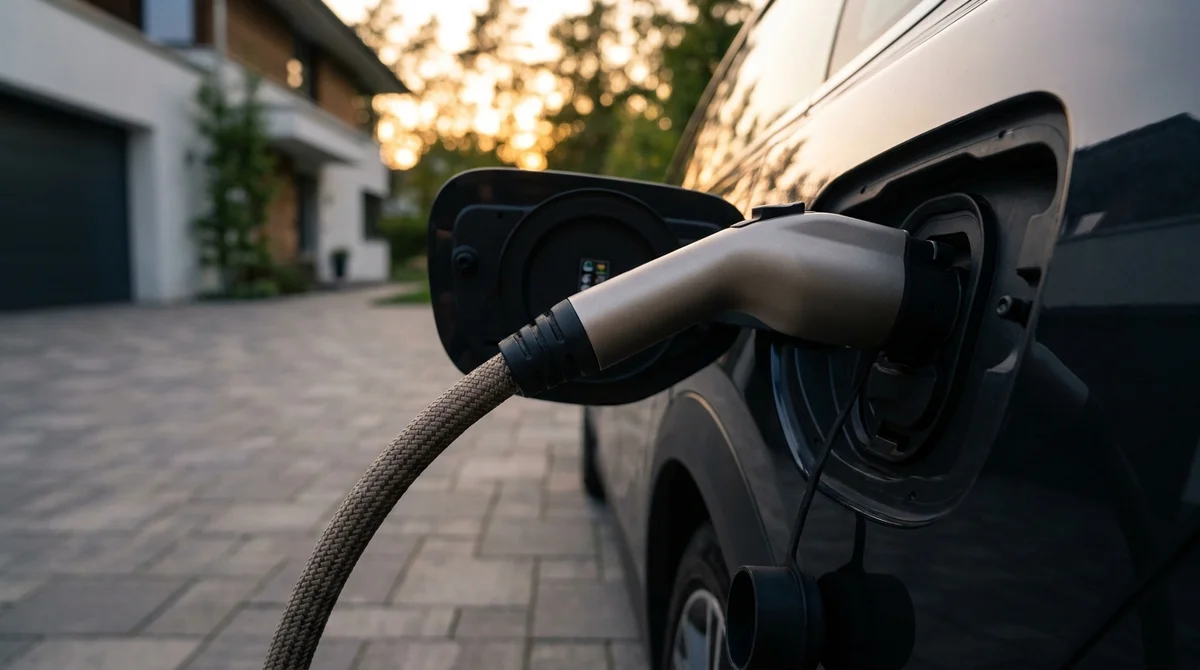
If a consumer is buying an electric vehicle specifically to lower their environmental footprint, discovering that its battery was sourced by bulldozing fragile deep-sea ecosystems completely undermines the product's core appeal. To protect their market share, these brands are forcing their suppliers to look elsewhere.
How pledges dry up mining capital
Deep-sea mining is an extraordinarily expensive venture. It requires billions of dollars in upfront capital to design specialized ships, heavy underwater crawler robots, and complex onshore processing facilities. Investors only provide that capital if they are confident there will be eager buyers for the metals once they are hauled to the surface.
By publicly refusing to purchase the end product, major brands restrict the future addressable market, signaling to investors that these metals might become stranded assets (Planet Tracker, 2024). Without guaranteed buyers locking in massive purchase agreements, the financial enthusiasm required to launch commercial ocean mining cools significantly.
Fact: Markets respond to buyers. Corporate moratoriums prove that downstream manufacturers can intentionally reshape demand to avoid unacceptable ecological risks.
The limits of voluntary promises
While sourcing moratoriums are powerful tools for delaying the industry, the published evidence regarding their long-term effectiveness is mixed. The main vulnerability of this strategy is that corporate pledges are voluntary public relations commitments, not legally binding treaties.
If a severe supply bottleneck causes the price of terrestrial cobalt or nickel to skyrocket, voluntary commitments can be quietly abandoned under intense shareholder pressure to maintain profit margins . Critics argue that relying entirely on the goodwill of multinational corporations is a fragile defense.
While the moratoriums currently delay the industry and starve it of capital, lasting protection of the international seabed ultimately requires permanent regulatory frameworks enforced by global governing bodies.
What to take away
You now have insight into how consumer sentiment reaches all the way to the bottom of the ocean.
- Major tech and automotive brands are signing moratoriums to keep ocean minerals out of their products.
- Brands reliant on a green reputation are highly vulnerable to the public relations disaster of seabed destruction.
- Refusing to buy ocean metals scares off the massive upfront investments required to launch mining ships.
- Check a brand's sourcing commitments before purchasing your next major electronic device or vehicle.
By rewarding companies that draw a hard line on ocean extraction, consumers can help keep the financial pressure on the upstream supply chain.