 Industry Innovation And Infrastructure
Deep Sea Mining
Trace the critical battery minerals in everyday household electronics to the fragile deep-sea ecosystems threatened by emerging ocean mining operations.
Course introduction
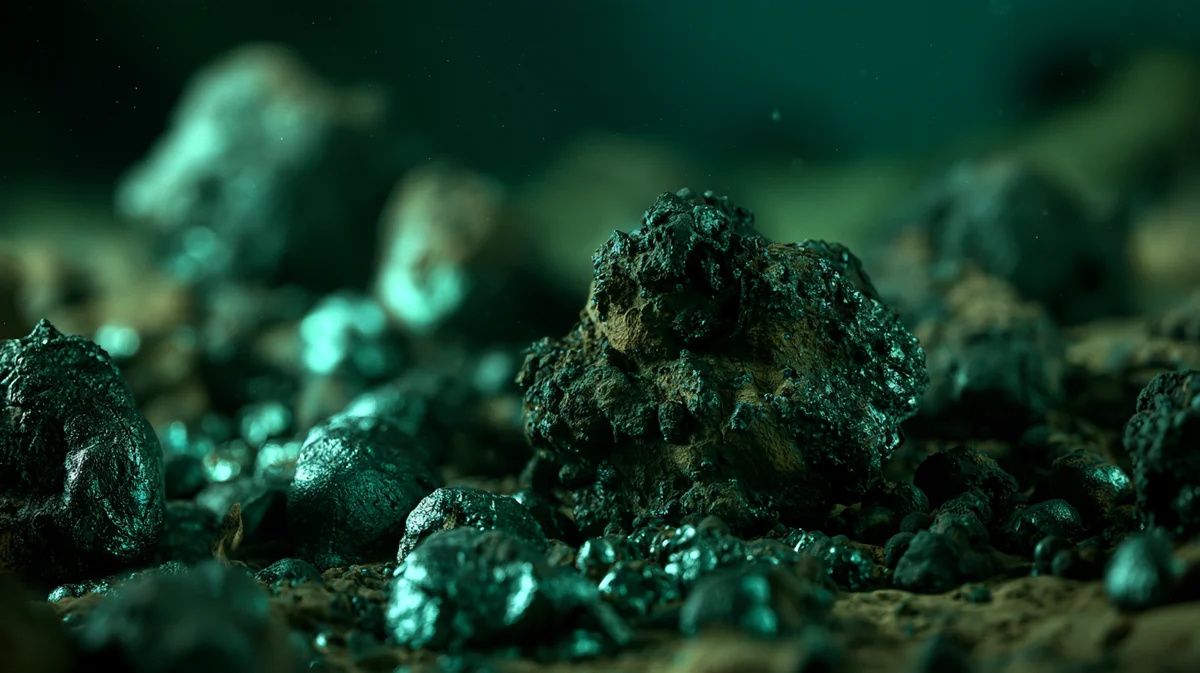
Polymetallic nodules sitting miles beneath the Pacific Ocean surface contain the precise mix of cobalt, nickel, and copper required to power modern batteries. As global demand for electric vehicles and home energy storage surges, extraction companies are actively preparing to scrape these vital ecosystems.
In this course you will explore how heavy underwater crawlers and massive sediment plumes cause permanent biological damage, and why expanding urban mining offers a viable industrial alternative. By following the life cycle of these critical minerals, you can better understand the true material footprint of household technology.
Ultimately, you will discover how shifting consumer habits and supporting corporate sourcing can disrupt the demand for newly mined ocean materials, helping keep electronics in circulation and the deep sea intact.
What you will learn
Curriculum
3 modules · 7 lessons · 1 exam · about 19 min total
When you plug in a smartphone or start up an electric vehicle, you are tapping into a complex global supply chain that stretches further than a typical factory floor. The demand for portable power has pushed extraction industries to look beyond land-based mines, turning their attention toward the most remote environment on Earth: the deep ocean. Miles beneath the surface, ancient biological habitats hold the exact mix of critical metals required for modern lithium-ion batteries. The quiet abyssal plains of the Pacific are quickly becoming the next frontier in a high-stakes rush for raw materials.
Mining the deep ocean requires more than simply picking up rocks. It demands deploying industrial machinery into a delicate, slow-moving environment that has remained largely undisturbed for millions of years. When heavy underwater crawlers scrape the abyssal plain, they interact with an ecosystem where biological recovery is measured in centuries, not seasons. Extracting battery minerals from the seafloor physically alters the habitat itself, destroying the exact surfaces deep-sea creatures rely on and generating vast underwater dust storms. Understanding the true environmental cost of these operations requires looking closely at how sediment and heavy tracks reshape life in the abyss.
The race to mine the deep ocean is driven by a simple assumption that millions of tonnes of battery metals must be dug out of the earth for the first time. However, a massive alternative reserve is already sitting above ground. Our cities, landfills, and desk drawers hold vast quantities of refined cobalt, nickel, and copper. Shifting the market away from newly extracted ocean nodules relies on intercepting these materials before they become waste and proving that major manufacturers will actively choose to buy them back.

The UN SDGs are 17 global goals for a fairer, sustainable world by 2030.
Learn morePreserving Deep-Sea Life From Mining
Deep sea mining poses a direct threat to the health of our oceans, specifically through habitat destruction and sediment plumes that harm marine life. This course illuminates the critical environmental impacts of extracting minerals from fragile deep-sea ecosystems. You'll learn how these operations disrupt marine biodiversity and explore viable alternatives like urban mining and responsible consumption, contributing to the protection and sustainable management of life below water.
Frequently Asked Questions
We are the leading online sustainability education platform. Our mission is to make sustainability knowledge accessible to everyone, by making it engaging to learn and genuinely rewarding to finish. People change what they do once they understand the world around them and the difference they can actually make.
It is genuinely free. You never pay to sign up, to take a course, or to receive your reward, and we never ask for a payment method. The rewards are funded by VeBetterDAO, an organisation distributing rewards to approved sustainability apps every week.
About 19 min of lessons, 7 lessons in total, plus a short exam at the end. There is no deadline and no fixed schedule: your progress saves automatically as you finish each lesson, so you can stop halfway through a module and continue later on any device. Access does not expire.
Yes, and you can check it yourself. Lessons are built on published evidence, peer-reviewed research, UN and government agency data, and public datasets. Factual claims carry numbered citations you can click through to the original source. Read our editorial policy for how we handle contested evidence and sponsored content.
With an email address, or with your Google, X or Microsoft account. Creating an account takes under a minute and puts you straight into the first lesson.
Related courses
Browse all →
 Responsible Consumption
The Hidden Footprint of Cleaning Clothes
In partnership with Hangndry