 Zero Hunger
The Nitrogen crisis
Discover how synthetic fertilizer fundamentally altered Earth's chemistry, driving severe aquatic and climate impacts linked to everyday food choices.
Course introduction
A single chemical breakthrough in the early twentieth century doubled the amount of reactive nitrogen flowing through Earth's biological systems. While synthetic fertilizer now feeds roughly half the global population, this massive chemical intervention has breached one of our most critical planetary boundaries.
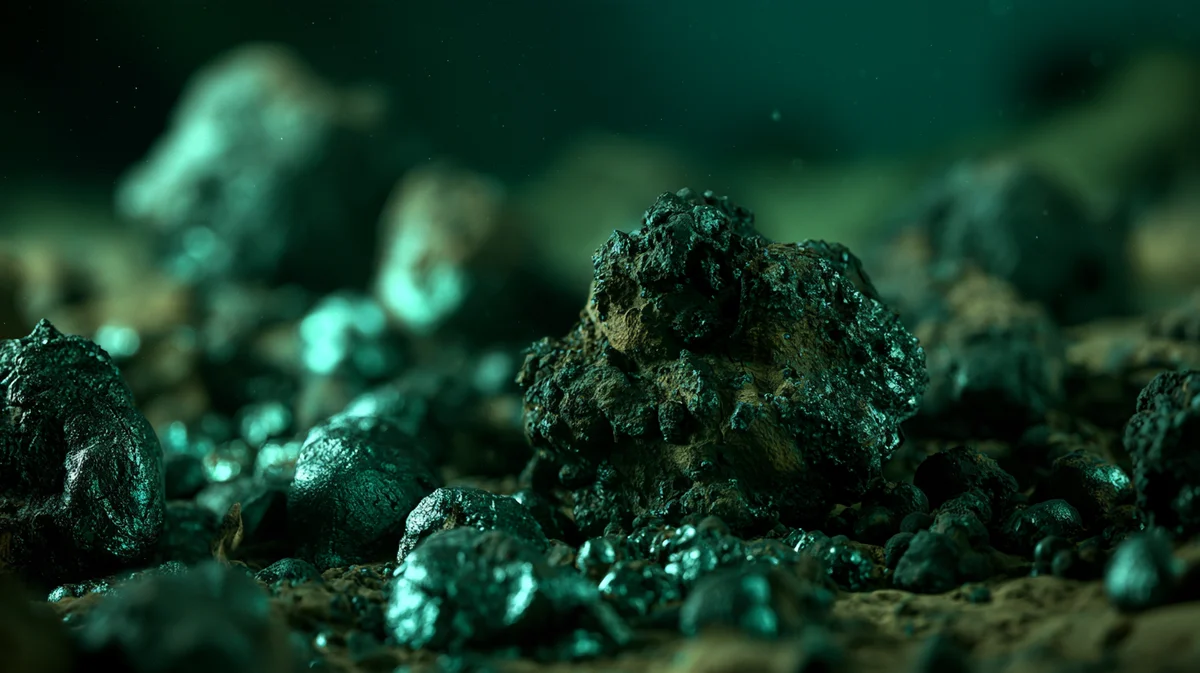
This course examines the unintended consequences of optimizing agriculture for maximum yield. You will explore how excess nitrogen suffocates marine life, traps drastically more heat than carbon dioxide, and degrades long-term soil health.
By scaling from industrial supply chains down to everyday market demand, you will learn how livestock multiplier effects work and discover actionable dietary shifts to reduce your personal nitrogen footprint.
What you will learn
Curriculum
4 modules · 10 lessons · 1 exam · about 1.1 hrs total
Nitrogen is remarkably abundant, making up nearly 80 percent of the air we breathe. For most of Earth's history, biology was strictly limited by how slowly natural forces could pull this essential nutrient from the atmosphere and convert it into a usable form. Humans shattered that limit.
A single industrial breakthrough fundamentally altered the planet's chemistry, flooding ecosystems with an unprecedented volume of reactive nitrogen. This chemical intervention now sustains billions of lives, but it has also triggered one of the most severe biological imbalances on Earth.
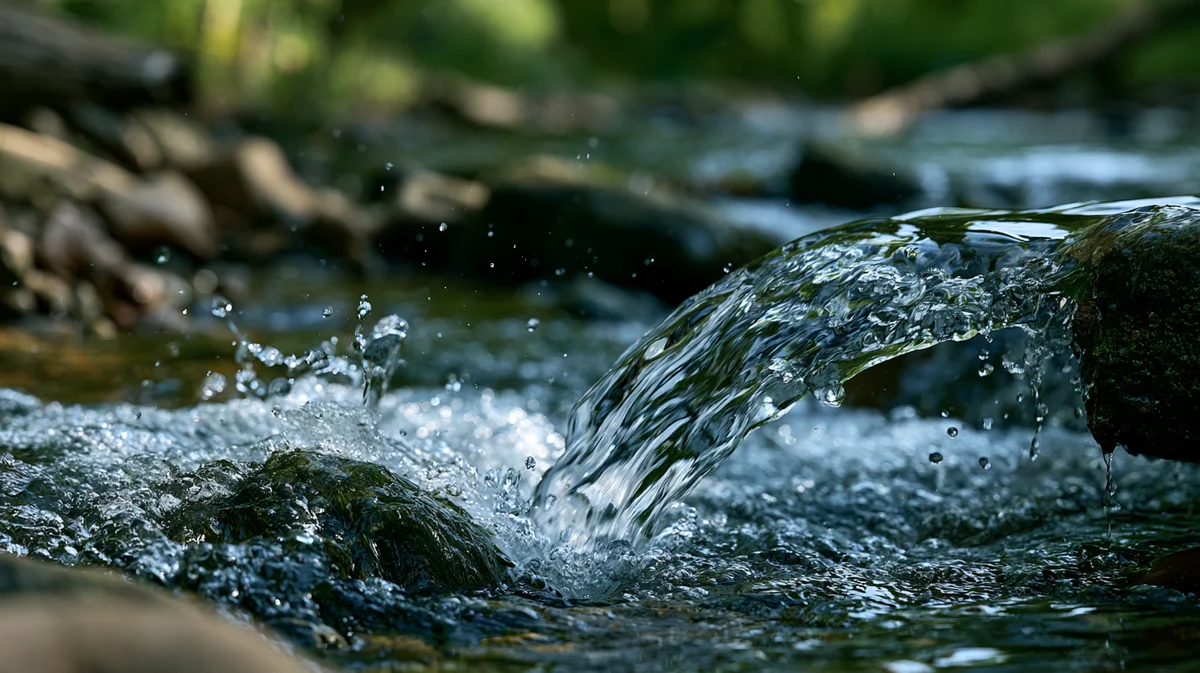
When synthetic fertilizer leaves the farm, its chemical power does not simply disappear. It flows into nearby waterways, drifts into the atmosphere, and slowly alters the soil beneath our feet. Because reactive nitrogen acts as a biological supercharger, adding too much of it triggers a chain reaction that local ecosystems cannot naturally absorb.
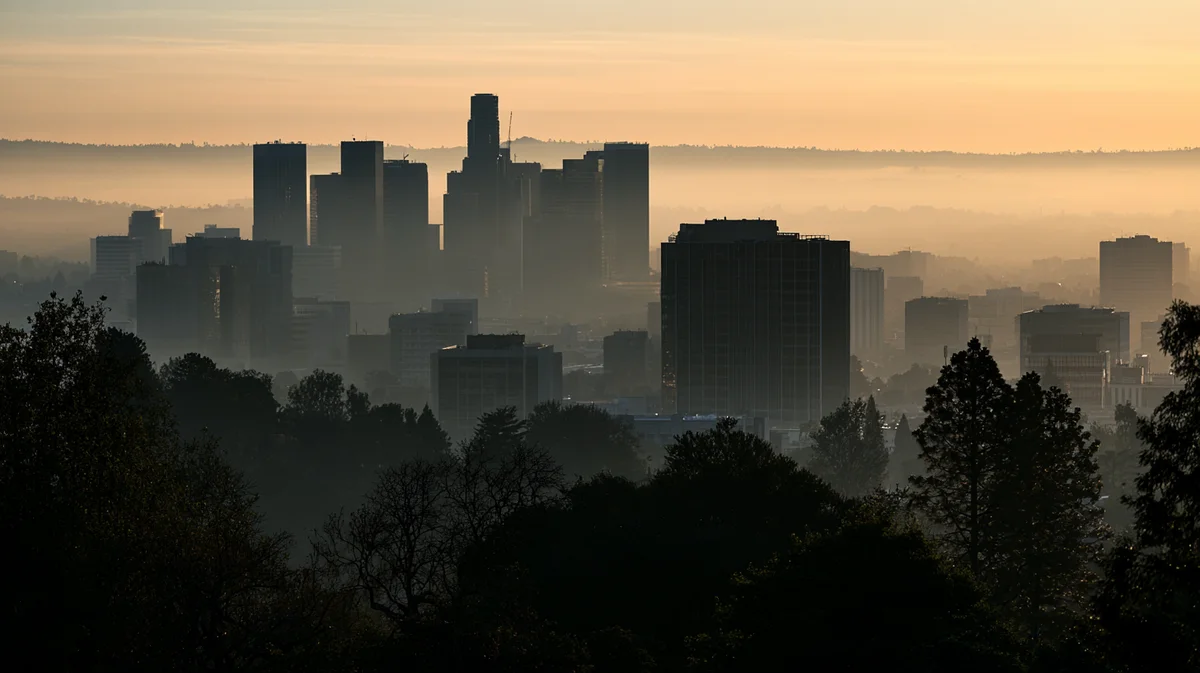
The consequences of this global over-fertilization reach far beyond the field boundaries. The escaping nutrients drive some of the most severe yet largely invisible environmental shifts on the planet.
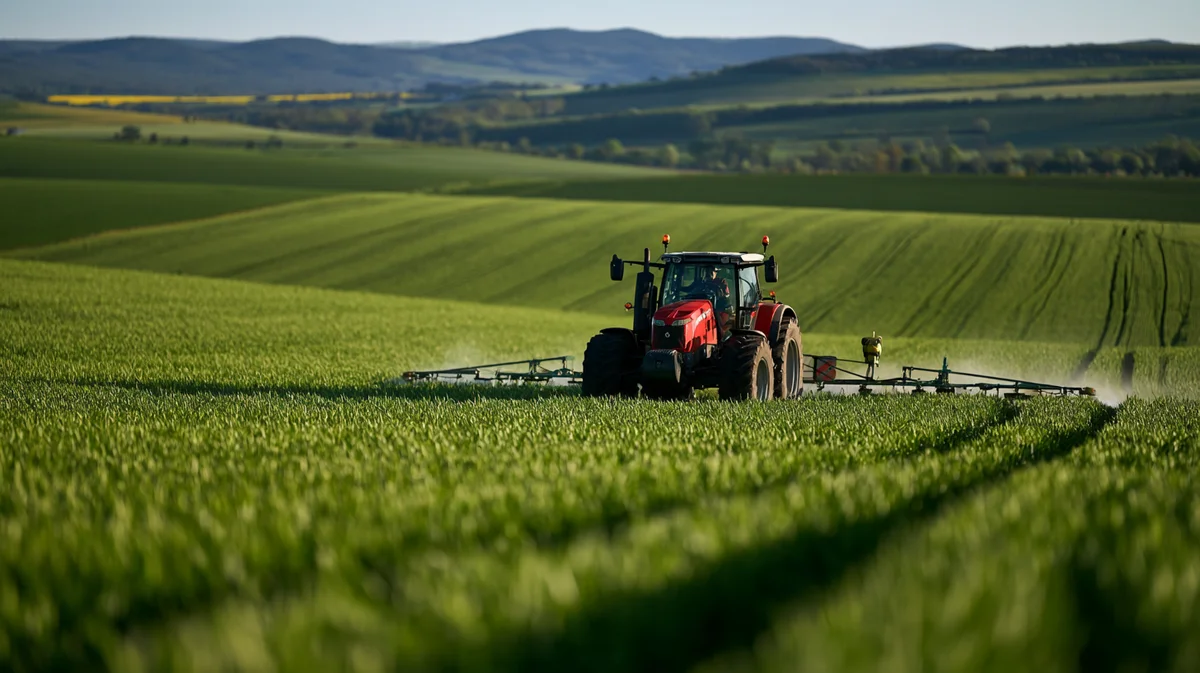
Feeding eight billion people requires massive amounts of synthetic nitrogen, but the way it is distributed and applied is deeply inefficient. While some regions flood their soils to the point of ecological collapse, others suffer from severe nutrient starvation.
Fixing this imbalance demands technological shifts to map exact crop needs, alongside stringent regional policies that force the broader food industry to account for invisible chemical flows.
Every plate of food carries an invisible chemical history. While heavy industry and government policy shape how fertilizer flows across continents, those massive supply chains ultimately answer to supermarket shelves.
Shifting market demand dictates exactly how much reactive nitrogen must be pulled from the atmosphere to keep grocery aisles full.

The UN SDGs are 17 global goals for a fairer, sustainable world by 2030.
Learn moreYour Consumption Choices Reduce Nitrogen's Impact
This course directly addresses SDG 12 by exploring the vast environmental impacts of our consumption and production patterns, particularly regarding nitrogen. You will learn how industrial agriculture, driven by demand for certain foods, leads to excess reactive nitrogen. This chemical overload pollutes ecosystems and contributes to climate change. Understanding your nitrogen footprint and making informed dietary shifts are crucial steps towards more sustainable consumption, helping to minimize waste and promote responsible resource use.
Frequently Asked Questions
We are the leading online sustainability education platform. Our mission is to make sustainability knowledge accessible to everyone, by making it engaging to learn and genuinely rewarding to finish. People change what they do once they understand the world around them and the difference they can actually make.
It is genuinely free. You never pay to sign up, to take a course, or to receive your reward, and we never ask for a payment method. The rewards are funded by VeBetterDAO, an organisation distributing rewards to approved sustainability apps every week.
About 1.1 hrs of lessons, 10 lessons in total, plus a short exam at the end. There is no deadline and no fixed schedule: your progress saves automatically as you finish each lesson, so you can stop halfway through a module and continue later on any device. Access does not expire.
Yes, and you can check it yourself. Lessons are built on published evidence, peer-reviewed research, UN and government agency data, and public datasets. Factual claims carry numbered citations you can click through to the original source. Read our editorial policy for how we handle contested evidence and sponsored content.
With an email address, or with your Google, X or Microsoft account. Creating an account takes under a minute and puts you straight into the first lesson.