The inequality of global fertilizer access
Contrast the environmental impacts of fertilizer over-application in the Global North with nutrient depletion in the Global South.
When environmental scientists talk about the nitrogen crisis, the conversation usually focuses on pollution. We picture algae-choked lakes, nitrous oxide emissions, and degraded soils suffocating under the weight of too much synthetic chemistry.
Because industrial agriculture is so visible in wealthy nations, it is easy to assume the whole world is drowning in excess fertilizer. But zoom out to a global map of soil health, and a very different crisis emerges. In many parts of the world, farmers are fighting a desperate battle against nutrient starvation, watching their crop yields shrink year after year.
Is the nitrogen crisis a problem of too much fertilizer everywhere, or just in wealthy countries?
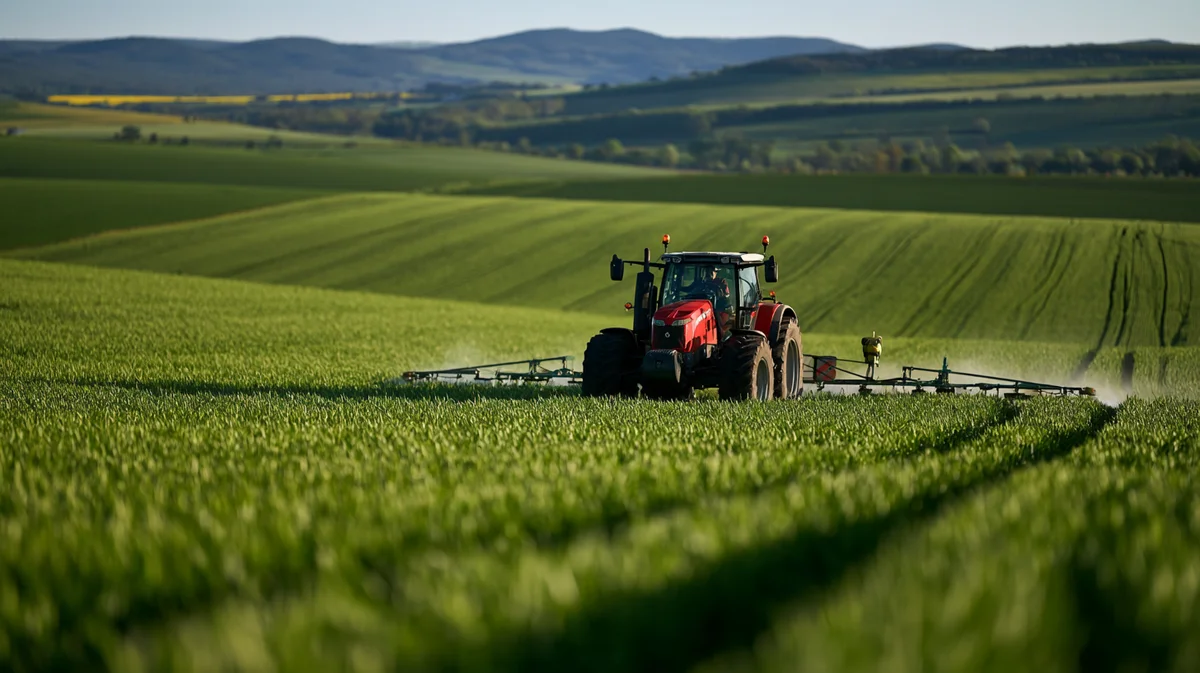
The burden of over-application in the Global North
In regions like North America, Western Europe, and parts of East Asia, synthetic nitrogen is relatively cheap and deeply embedded in modern agricultural policy.
Governments have historically subsidised the production and purchase of fertilizers to guarantee domestic food security. Because the chemicals are inexpensive compared to the financial ruin of a failed harvest, farmers often apply far more than the crops can actually absorb. This creates a massive nitrogen surplus, where the excess reactive nitrogen leaks into surrounding aquatic and atmospheric ecosystems (FAO, 2022).
This over-application is treated as an economic insurance policy. If a heavy rain washes some nutrients away, the farmer knows there is enough left behind in the soil to maintain high yields. The environmental cost, such as hypoxic ocean zones and rapid atmospheric warming, is rarely factored into the price of the fertilizer itself. Consequently, the Global North is managing an ecological crisis driven entirely by cheap, subsidized excess.
Nutrient mining in the Global South
Contrast this chemical surplus with the agricultural reality in much of Sub-Saharan Africa.
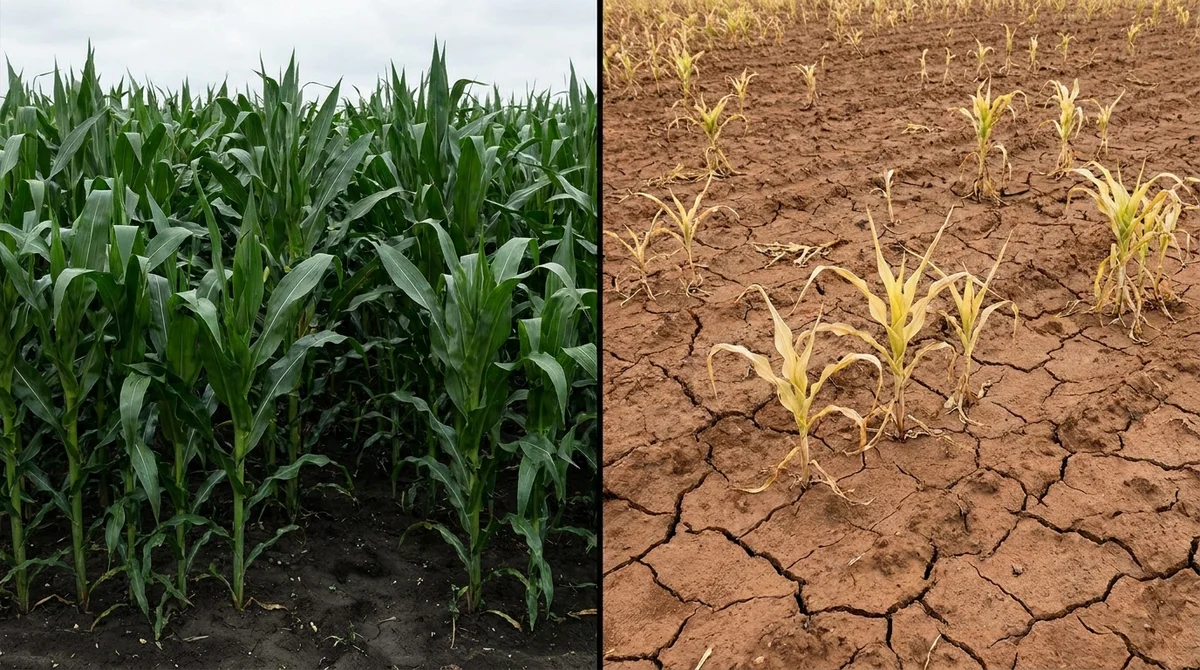
Here, many smallholder farmers lack access to basic synthetic fertilizers due to high import costs, poor transportation infrastructure, and a lack of government subsidies. When farmers repeatedly harvest crops without replacing the nitrogen those plants pulled from the dirt, they engage in soil nutrient mining, slowly draining the land of its inherent fertility (World Bank, 2021).
As the soil degrades, crop yields plummet, leading to severe food insecurity and rural poverty. To survive and grow enough food, farmers are often forced to clear new land, driving deforestation and critical habitat loss. In these specific regions, a carefully managed increase in synthetic nitrogen access would actually prevent environmental degradation by allowing farmers to grow significantly more food on existing cleared land, rather than expanding into forests.
Why a universal ban is not the answer
Because of this stark regional divide, global environmental policy cannot simply demand an outright end to synthetic nitrogen manufacturing.
If the world banned the Haber-Bosch process tomorrow to solve the pollution crisis, agricultural yields in nutrient-starved regions would collapse entirely, triggering catastrophic global famine. Instead, the consensus among global agronomists is a strategy of optimisation and redistribution (Our World in Data, 2023).
This means aggressively capping and taxing excess nitrogen in wealthy, high-polluting nations, while simultaneously improving supply chains and subsidising targeted fertilizer access in regions suffering from soil depletion. It is a delicate geopolitical balancing act. Solving the planetary nitrogen boundary requires treating the chemical not as a universal poison that must be eradicated, but as a powerful, necessary tool that is currently hoarded in the wrong places.
Based on the consensus of global agronomists, what is the most practical strategy for addressing the planetary nitrogen boundary?
A
Eliminating the production of synthetic nitrogen worldwide to stop atmospheric warming.
B
Aggressively taxing excess nitrogen in wealthy nations while subsidizing access in depleted regions.
C
Providing universal government subsidies for fertilizers to all farmers regardless of their region.
D
Demanding that farmers in wealthy nations clear new land to offset the lower yields of the Global South.
Correct
Solving the crisis requires a geopolitical balancing act: optimizing use in the Global North while safely redistributing fertilizer access to the Global South.
What to take away
You now understand how the global nitrogen crisis is actually two opposite problems happening at the same time.
- Wealthy nations apply far too much fertilizer, creating severe aquatic and climate pollution.
- Farmers in Sub-Saharan Africa often lack access to fertilizer, leading to soil depletion and poverty.
- A total global ban on synthetic nitrogen would trigger massive food shortages in vulnerable regions.
- The true policy goal is optimising use in the Global North while safely redistributing access to the Global South.
Next, we will explore the specific policies and corporate pressures forcing heavy users to finally cap their nitrogen runoff.