Plant-Based Swaps Reduce Nitrogen
Translate the livestock multiplier effect into high-leverage consumer actions by shifting everyday protein choices.
Realizing that heavy meat consumption drives the global nitrogen boundary breach can feel overwhelming. Systemic environmental problems often seem impossible to solve from a household kitchen.
However, unlike redesigning fossil fuel grids, which requires massive infrastructural changes over decades, the agricultural nitrogen cycle is directly tied to short-cycle crops. Farmers plant exactly what the market is expected to buy that season.
What is the most effective change you can make to reduce your personal nitrogen footprint?
The leverage point of the grocery store
The food system responds rapidly to aggregate consumer behavior. Dietary choice shapes agricultural demand faster than almost any other environmental metric.
Because the feed conversion penalty is so steep, reducing your intake of conventional meat and dairy yields a disproportionately large reduction in upstream fertilizer use. When you purchase lentils, chickpeas, or tofu instead of beef, you bypass the livestock multiplier entirely. The farmer only needs to grow the calories you actually eat, rather than growing ten times that amount to sustain an animal.
Furthermore, many plant-based proteins, such as beans and peas, are legumes. Legumes possess a unique biological ability to fix their own nitrogen from the air using symbiotic bacteria in their roots. They require a fraction of the synthetic Haber-Bosch fertilizer that corn or wheat demands. By shifting your plate toward these ingredients, you dramatically shrink the sheer volume of reactive nitrogen introduced into the planetary system on your behalf (Poore & Nemecek, 2018).
The power of gradual shifts
Discussions about the environmental impact of meat often trigger deep cultural defensiveness. The common assumption is that an individual must become a strict, flawless vegan to make any meaningful difference.
From a systemic nitrogen perspective, this is a mathematical misunderstanding.
If ten people reduce their beef consumption by half, the total reduction in synthetic fertilizer demand is five times greater than if one person goes entirely vegan. The global goal is optimization and boundary management, not moral perfection.
A community group wants to reduce its collective nitrogen footprint but faces resistance to adopting a strict vegan diet. Based on the mathematics of systemic nitrogen reduction, what is the most effective realistic strategy?
A
Focus only on getting a few dedicated members to become completely vegan to set an example.
B
Ignore dietary changes and focus entirely on sourcing organically grown beef.
C
Encourage all members to cut their beef consumption in half.
D
Shift all members from beef to chicken to eliminate the need for synthetic fertilizer.
Correct
A mathematical approach to the global nitrogen boundary prioritizes aggregate reductions over niche purity. Ten people halving their meat intake removes far more fertilizer demand than one person eliminating it completely.
Replacing meat or dairy in just a few meals a week creates a measurable reduction in the crops required to stock your grocery store.
Over a year, swapping out a daily serving of beef for a plant-based alternative removes the need for hundreds of kilograms of heavily fertilized animal feed. You do not need to abandon cultural traditions or favorite family meals to exert significant pressure on the agricultural supply chain.
Sourcing precision-grown staples
Even a fully plant-based diet still relies on crops like wheat, oats, and rice, which typically require synthetic nitrogen. However, the market for precision agriculture certification is beginning to mature.
By shifting from conventional meat to plant proteins and buying grains from precision-certified farms, you are
eliminating the need for any reactive nitrogen
minimizing the amount of excess fertilizer
ensuring all legumes fix enough synthetic nitrogen
from escaping into the environment as pollution.
Correct
Pulling both levers bypasses the livestock feed multiplier and optimizes chemical inputs on the crops you do eat. This is the most direct way to pull the planet back within its biological limits.
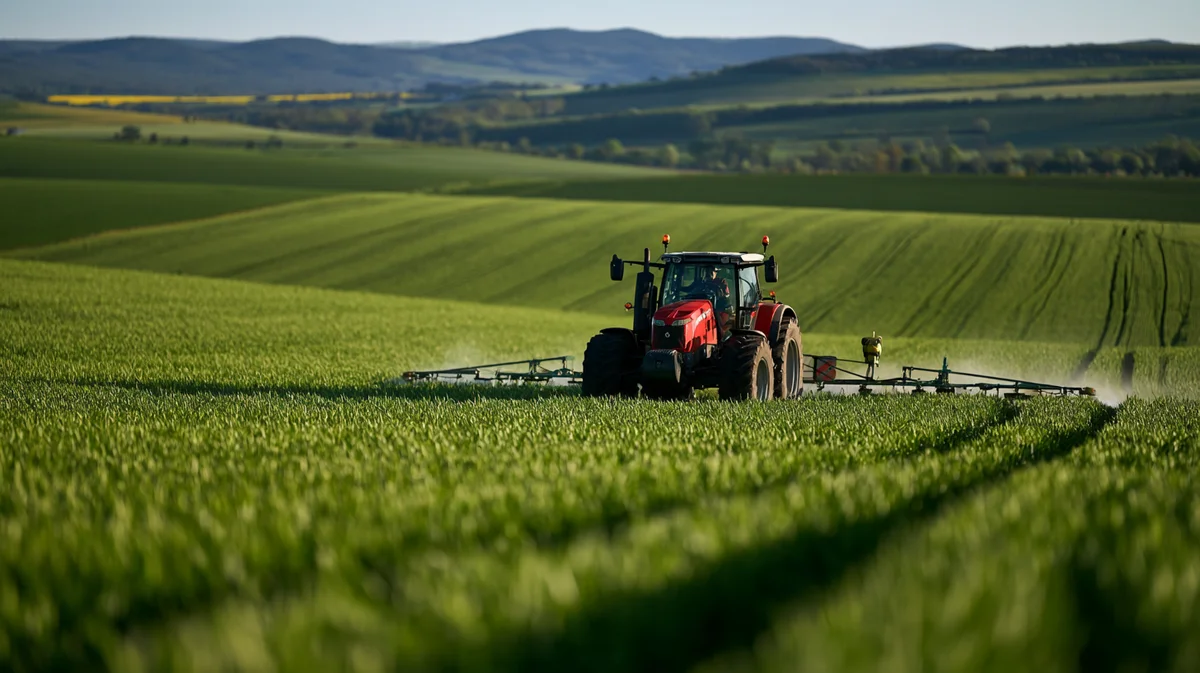
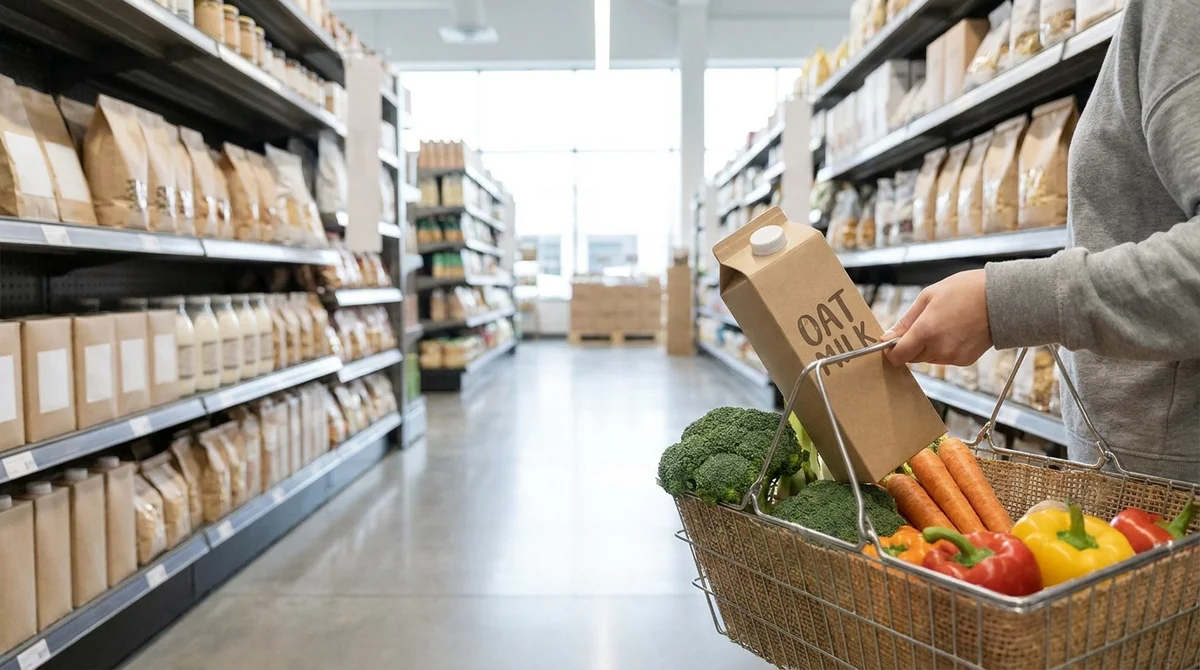
Some large food brands now explicitly source their grains from farms using precision nutrient management. These farms use GPS-guided tractors, soil sensors, and variable-rate technology to apply fertilizer only exactly where the individual plants need it, drastically cutting down on the excess nitrogen that washes into rivers. When shopping for staples like bread, pasta, or oat milk, looking for brands that publicly commit to regenerative soil standards or precision nutrient tracking helps build market share for responsible farming.
This allows a household to pull two powerful levers at once. First, bypassing the livestock feed multiplier by eating more plant proteins. Second, actively directing spending toward grain and vegetable farms that optimize their chemical inputs.
Together, these choices form the most direct intervention a single consumer can make to help pull the planet back within its biological limits.
What this means for you
Your grocery basket acts as a direct order form for the next season of agricultural production.
- Bypassing meat and dairy allows you to skip the massive multiplier effect of livestock feed.
- Legumes like lentils and beans naturally fix their own nitrogen, drastically reducing the need for Haber-Bosch synthetics.
- Gradual, flexitarian shifts by many people reduce aggregate chemical demand faster than a few people achieving perfect veganism.
- Choosing brands that verify precision agriculture certification supports farmers who minimize their nutrient waste.
References
- Poore, J., & Nemecek, T. (2018). Reducing food's environmental impacts through producers and consumers. Source